Pre-Roman World
The Iberian Weaponry
War in ancient Iberia was defined by exceptional metallurgy.
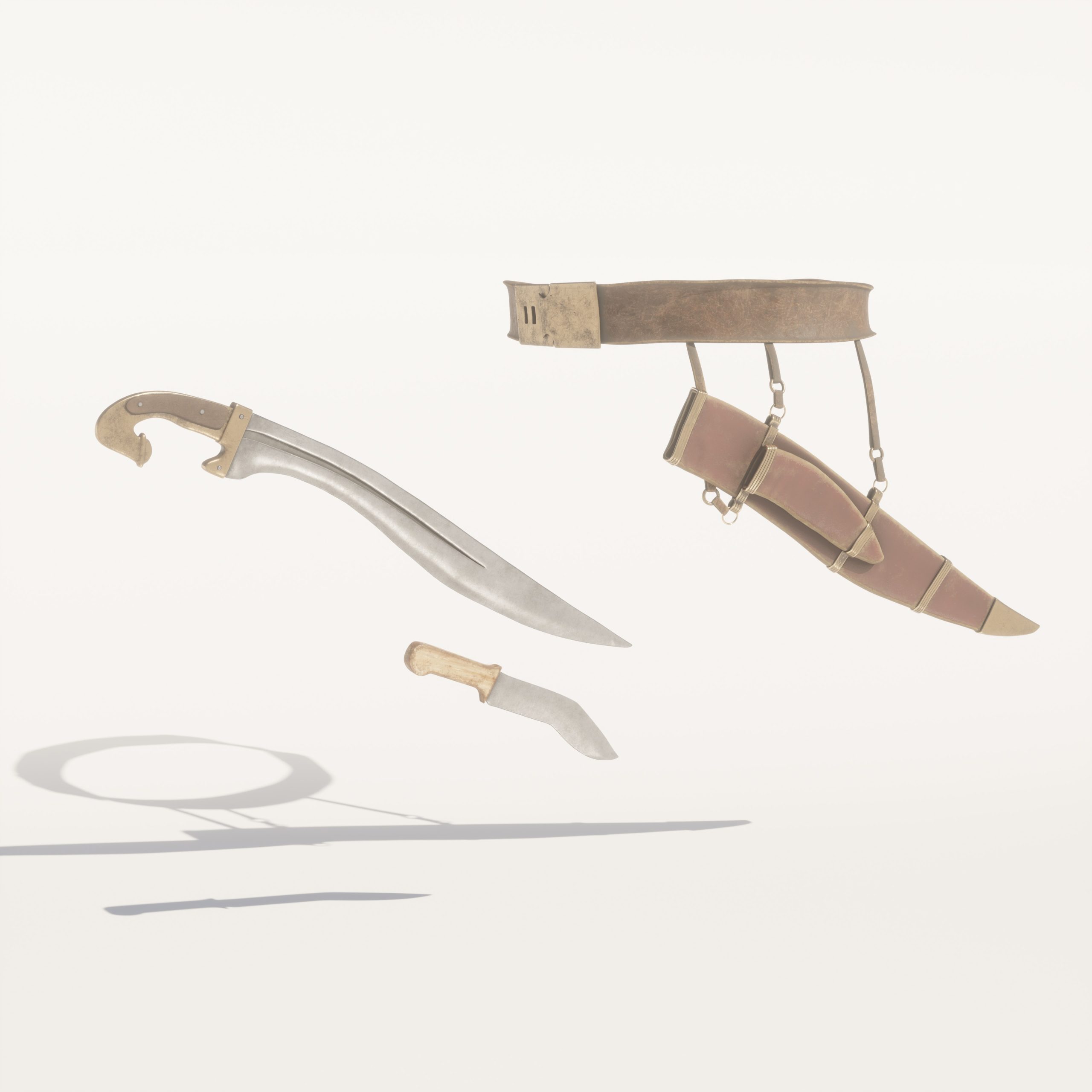
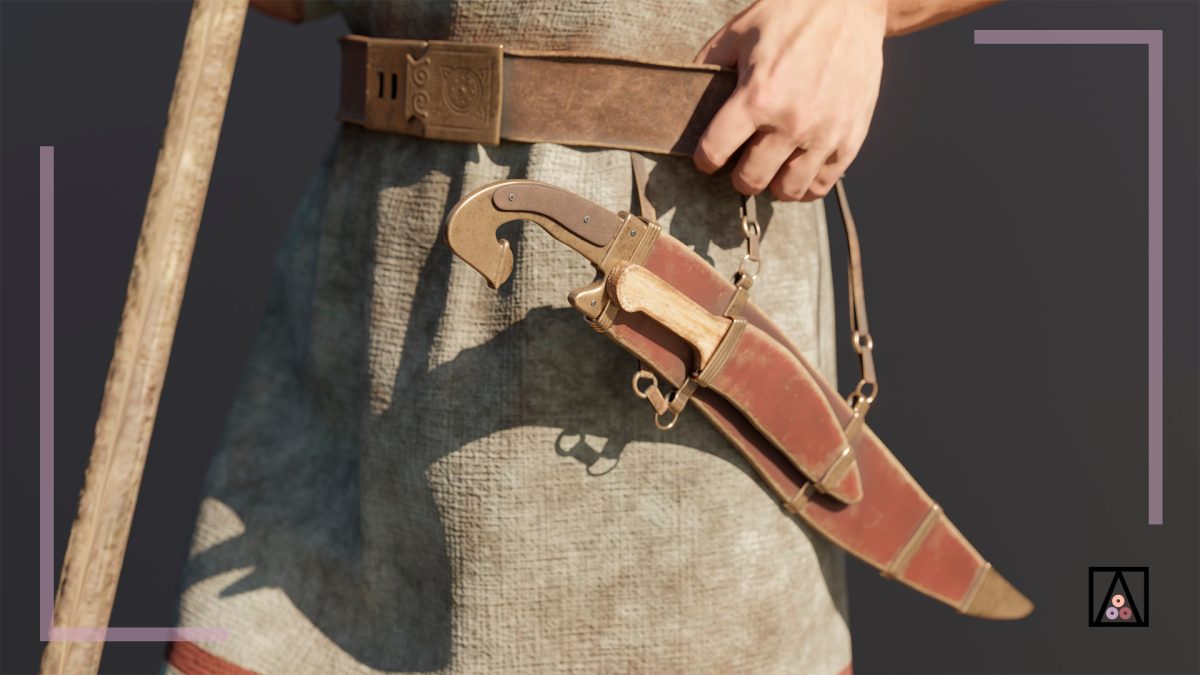
Archeology reveals the falcata to be a masterpiece of engineering: its curved blade and steel core generated enough inertia to cleave Roman helmets with a single blow.
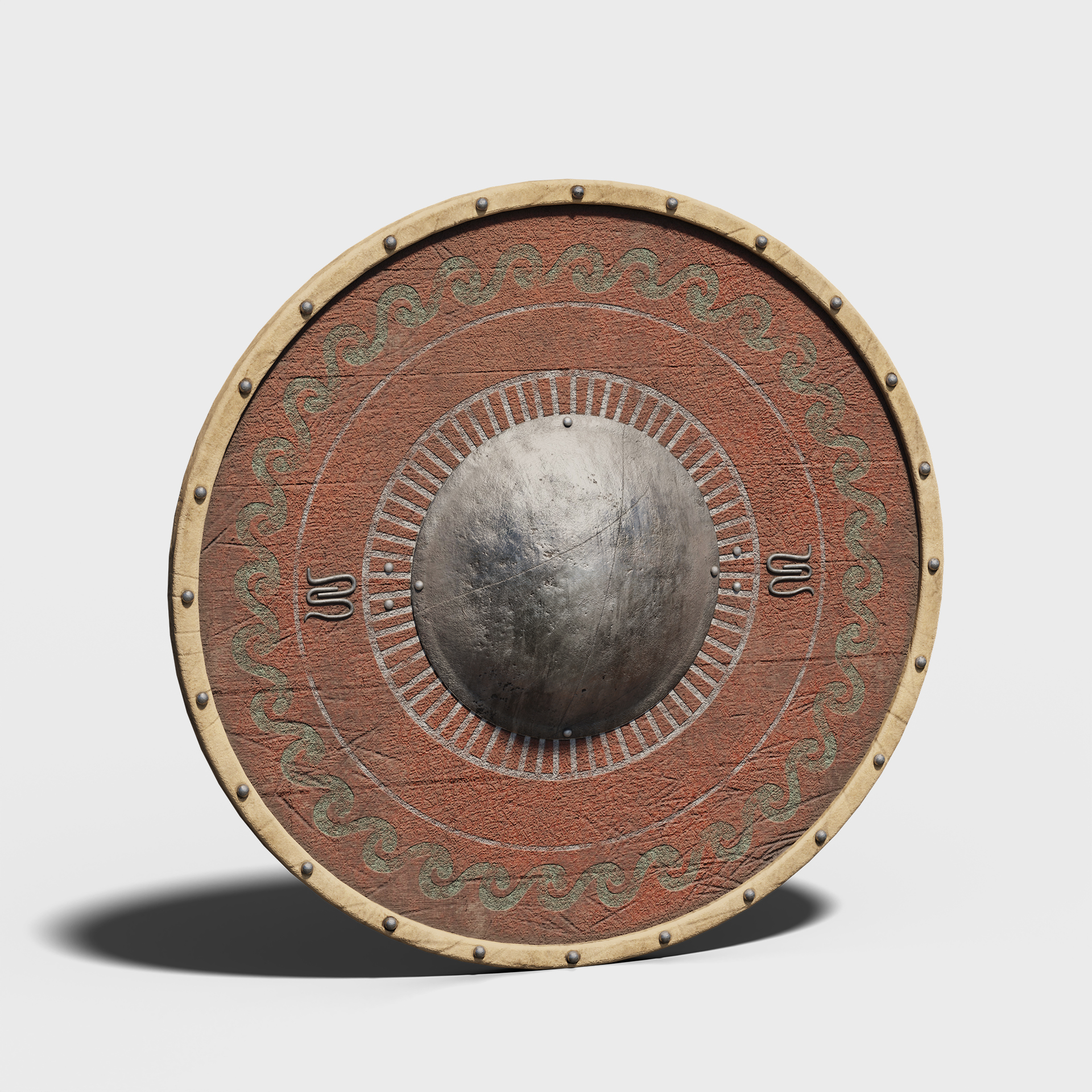
At a distance, the star weapon was the soliferrum, a javelin forged entirely from a single piece of iron, designed with the exact weight needed to pierce and disable enemy shields. Together with the caetra, the lightweight shield that favored agility, these pieces confirm that Iberian lethality stemmed as much from the skill of the warrior as from the excellence of their blacksmiths.
The Iberian House
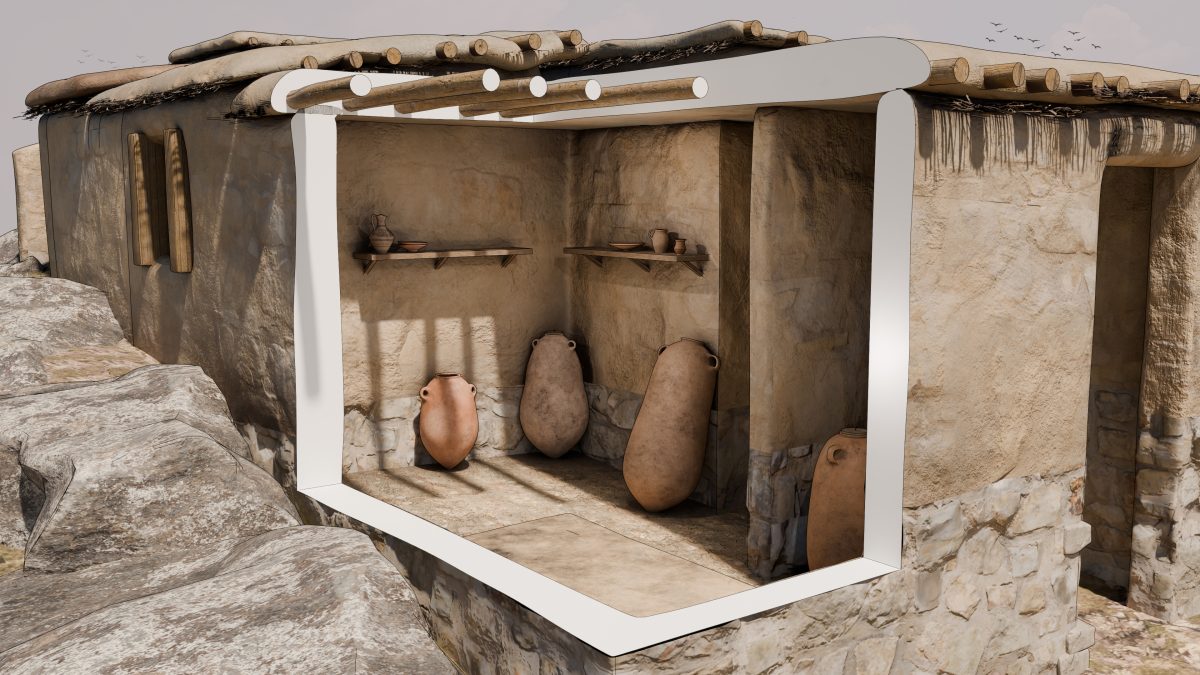
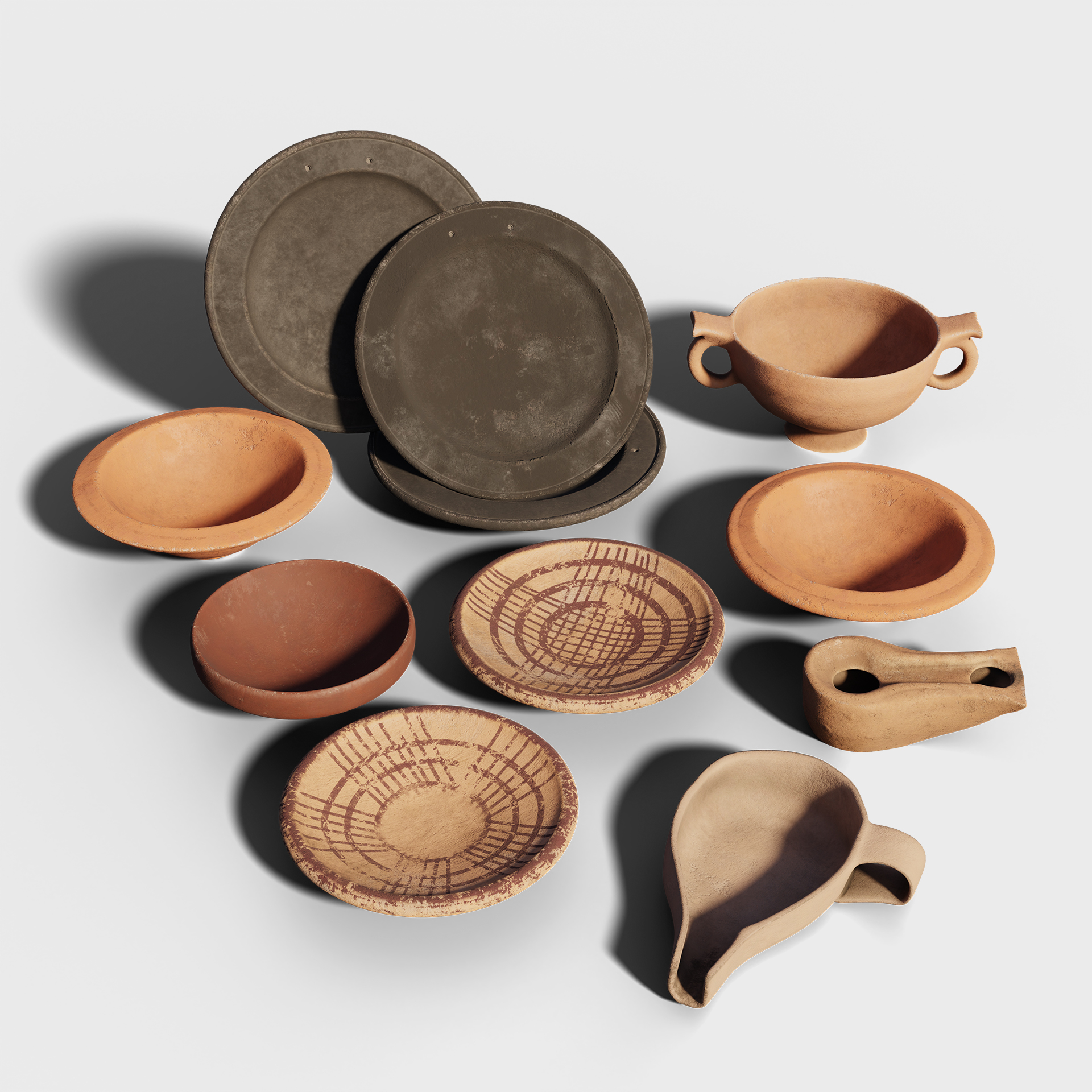
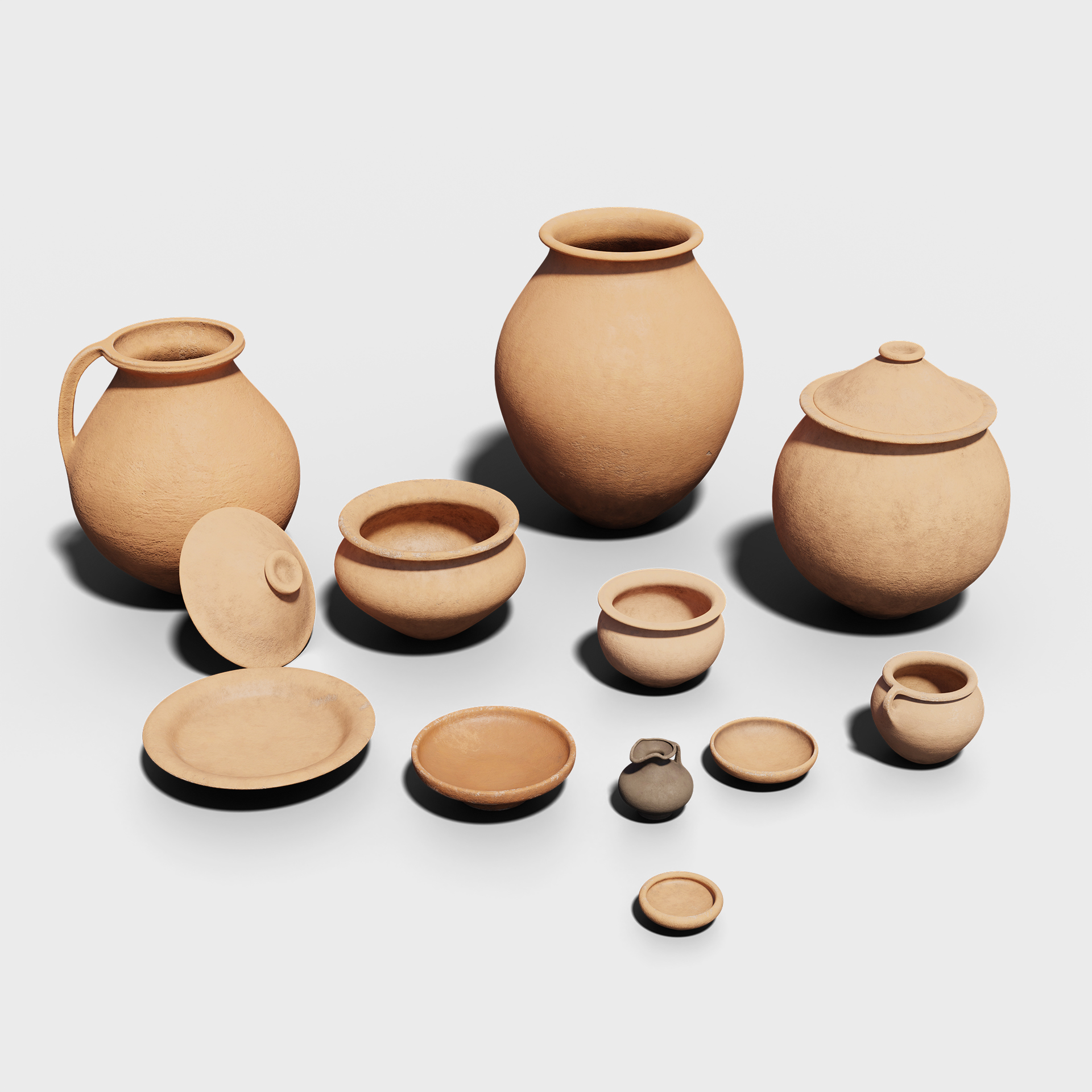
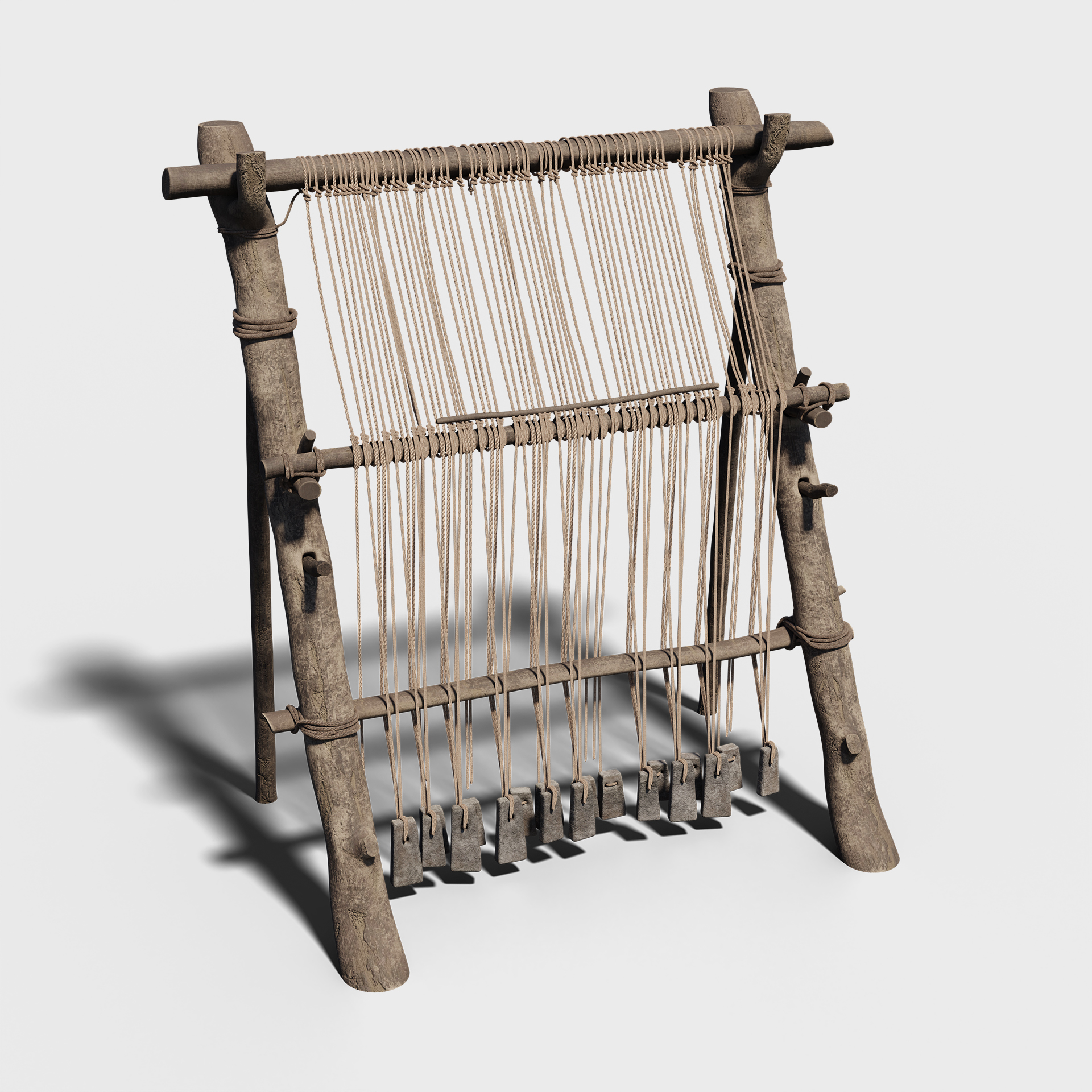
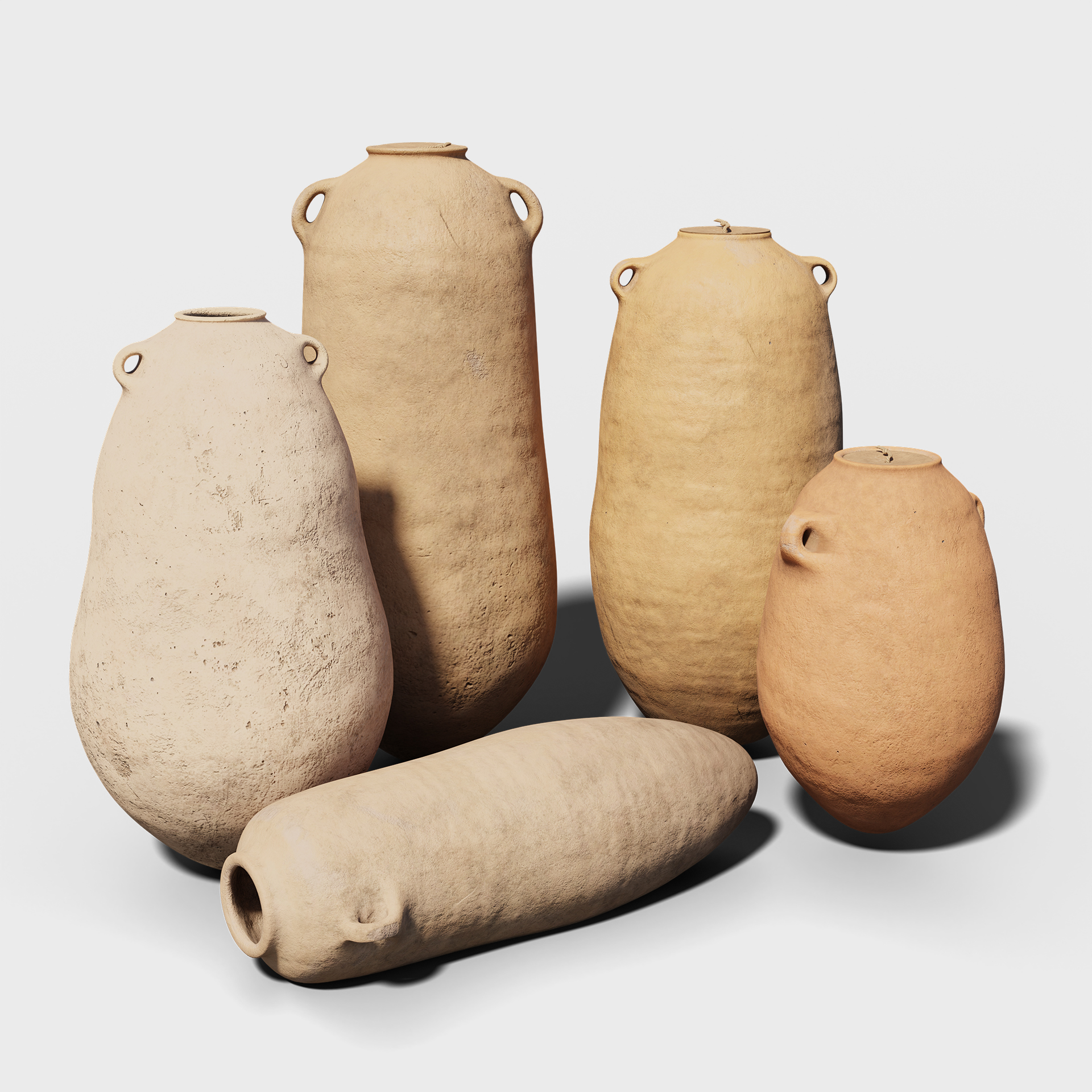
The dwelling was shelter, kitchen, bed, and workshop. All in one. Life wasn't divided into compartments: it was shared. The stone hearth, always lit, was the gathering point at dusk. Around it, stews were cooked, stories were spun, objects were forged, and the whispers of the wind could be heard slipping through the cracks.
The ruins that now rest in the silence of archaeological sites are not just fallen stones: they are the remains of homes where life pulsed, where love was shared, laughter was shared, weaving was done, saying goodbye, and birth was shared.